Beginner's guide
How to Start Metal Detecting
When I switched on my first detector for the first time, I was still learning to tell signals apart and working out what to take with me. So how do you start metal detecting? In the following lines I'll explain how to choose your first detector, what to pack for your first outing and what to buy later, once you know how detecting suits you.
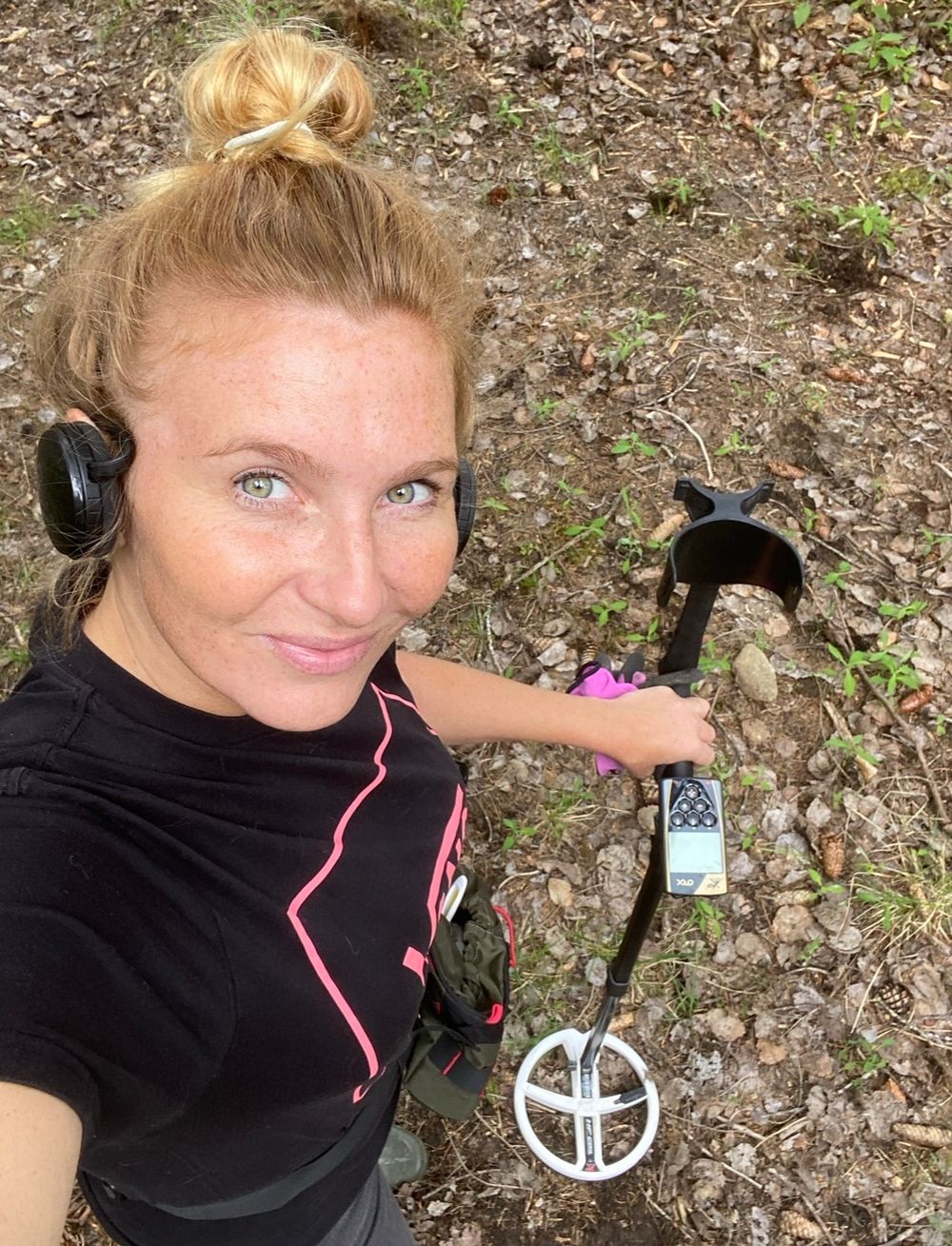
Which metal detector should a beginner choose?
If you're on a tight budget, I recommend looking for a used metal detector - an older, better-quality machine in good condition. If it costs about the same as a new lower-end model, I'd personally go for the proven second-hand one. Try it before you buy. Check the condition of the coil, the shaft fittings, the charging or batteries, and how it feels in your hand.
Some detectors run on batteries, others you charge at home with a cable. Personally, I prefer charging by cable.
I've had excellent experience with XP Metal Detectors. When choosing a first machine, I'd look mainly at the weight, the controls and whether it will be comfortable to carry for longer periods.
What should you take on your first metal detecting trip?
Basic metal detecting equipment
A metal detector, of course, gloves, a rubbish bag and something to get your finds out of the ground. I use a small spade; some people prefer a pickaxe. Over time, a hand trowel will come in handy too, or digging tools made by detector manufacturers, which help you, for example, get a small coin out from deep under a big root.
Wear sturdy boots and bring water. For most of the year I also use mosquito repellent.
Pinpointer
One important thing I didn't have at the start was a pinpointer. I can't believe I didn't get one sooner. I've tried several, and I still have both the cheapest ones from Amazon and quality ones from XP at home, mainly the MI-4 and MI-6.
What can wait?
I'd hold off on buying extra coils, expensive headphones and special clothing until you know where you search most often and what you're really missing.
What should you keep in mind before you head out?
Check the rules for the specific place in advance and arrange any access and permits you need. On your first outing, take time to get to know your detector. Notice how the signal changes when you sweep over the same spot from a different direction. At the start, YouTube tutorials helped me a lot.
I've written the responsible detectorist's code for you, so have a look.
Read the detectorist's codeHow do you use old maps for metal detecting?
I love comparing on old maps what a place used to look like and what it looks like today. You might spot a vanished path, a different field boundary or a building that's easy to miss in today's landscape.
There are several apps with old maps, and it's up to each of you which one you choose. I work with RelicHunter.App and I'm happy with it.
With the code DetectorLady you get 10% off monthly and annual RelicHunter.App subscriptions.*
This link is part of my collaboration with RelicHunter.App.
FAQ
Which metal detector is best for beginners?
A lightweight detector with simple controls that feels good in your hand. A better-quality used machine in good condition is fine too.
Can I metal detect anywhere?
No. You always need the landowner's permission, and in many countries a permit as well. Detecting is often banned on archaeological sites and in protected areas.
What do I need for my first metal detecting trip?
A detector, something to dig with such as a small spade or hand trowel, gloves, a rubbish bag, sturdy boots and water. A pinpointer is very useful too.
Is it worth buying a used metal detector?
Yes, if it's in good condition. Try it before you buy and check the coil, shaft and battery.
Detector Lady · November 2026