Detectorist code
The Responsible Detectorist's Code
When I started metal detecting, I made plenty of mistakes. I had no idea there were rules, or that I couldn't search just anywhere. That's why I put together this guide for everyone who wants to detect responsibly in Europe right from the start.
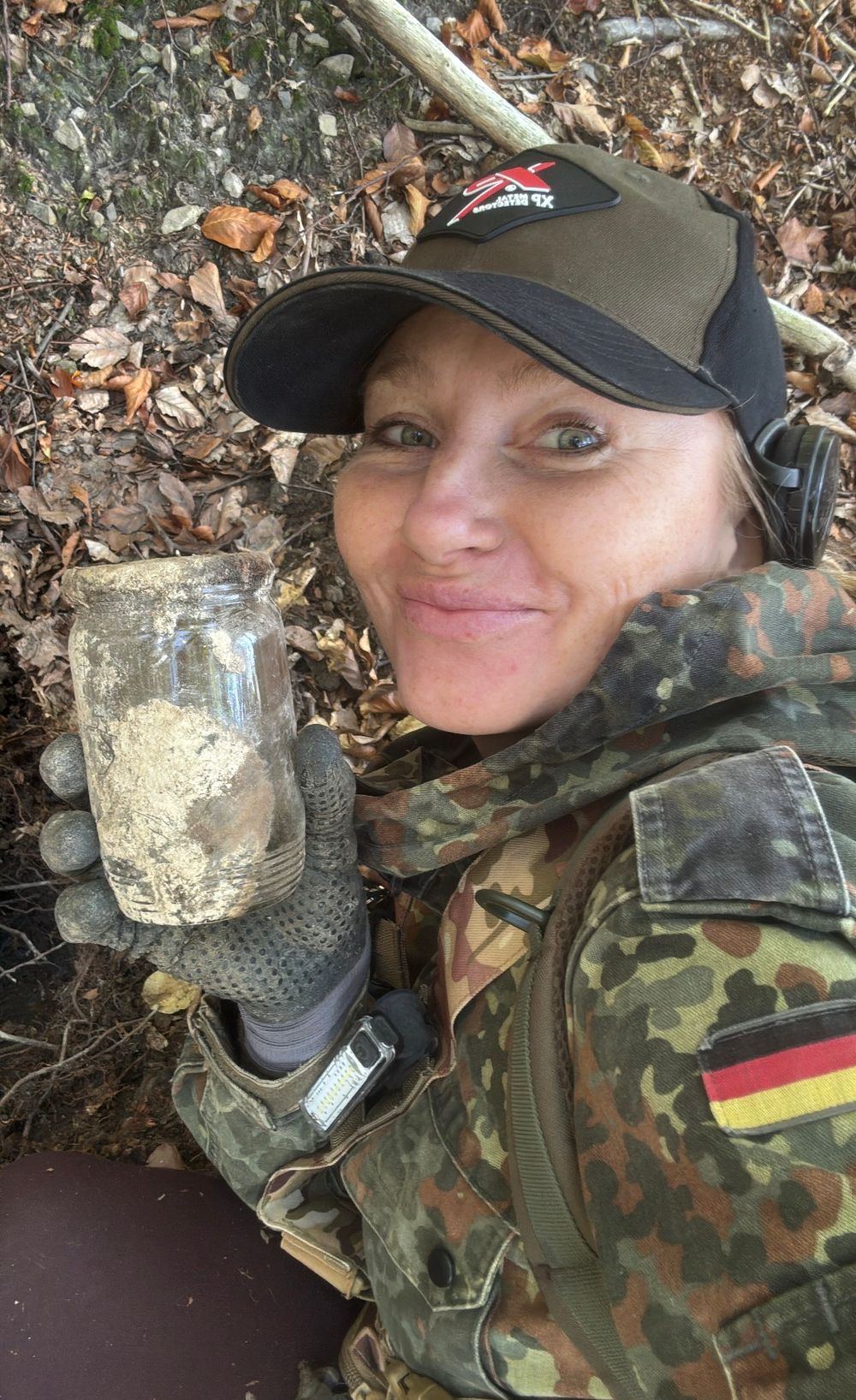
Rules that apply everywhere
- 01
Get the landowner's permission.
Only detect where the owner knows you're there and agrees. If they ask you to leave, leave without arguing.
- 02
Fill in every hole.
Put the soil and turf back. Leave no trace behind.
- 03
Take your rubbish home.
Cans and other junk that is safe to handle go home with you.
- 04
Protect nature.
Don't damage crops, trees or plants, and don't disturb wildlife. Close gates behind you and leave fences as you found them.
- 05
Be courteous to people.
Be ready to explain what you're doing and respect other people's privacy. Don't detect on land another detectorist has permission for without agreeing it with them first.
- 06
Never touch ammunition.
Finds from both world wars can still be deadly. Don't dig them up, touch or move them. Move to a safe distance and call the police or 112.
- 07
Mind your own safety.
Wear sturdy footwear and gloves. Watch out for sharp objects and needles.
Laws differ by country
Landowner permission is not enough. Before you go, find out:
- 08
Where can’t I detect?
Archaeological sites, monuments, national parks and nature reserves often ban detecting or have special rules.
- 09
Do I need a permit?
for example from an archaeological institution or a public authority.
- 10
What should I do with finds?
Check whether you must report or hand them in, and who owns them by law.
Finally
Metal detecting isn't just a hobby. It's also a responsibility towards nature, history, landowners and other people. Let's behave so that we can still go out detecting in twenty years' time.