Metal Detecting on Fuerteventura
For me, Fuerteventura is one of those places where a seaside holiday and metal detecting go perfectly together. Read what five years of detecting there have taught me.
Fuerteventura, Canary Islands, Spain
Period: My experiences over roughly the past five years.
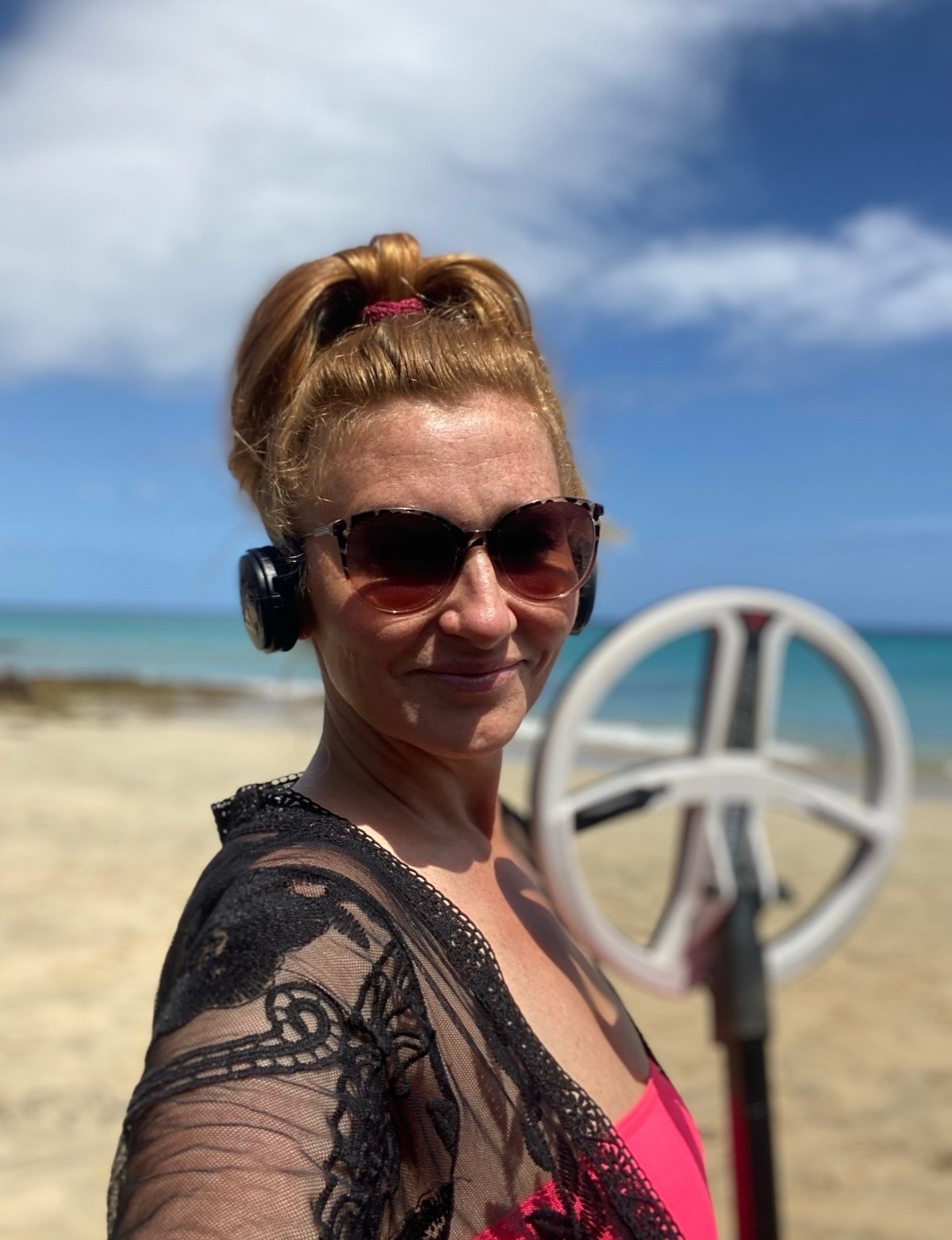
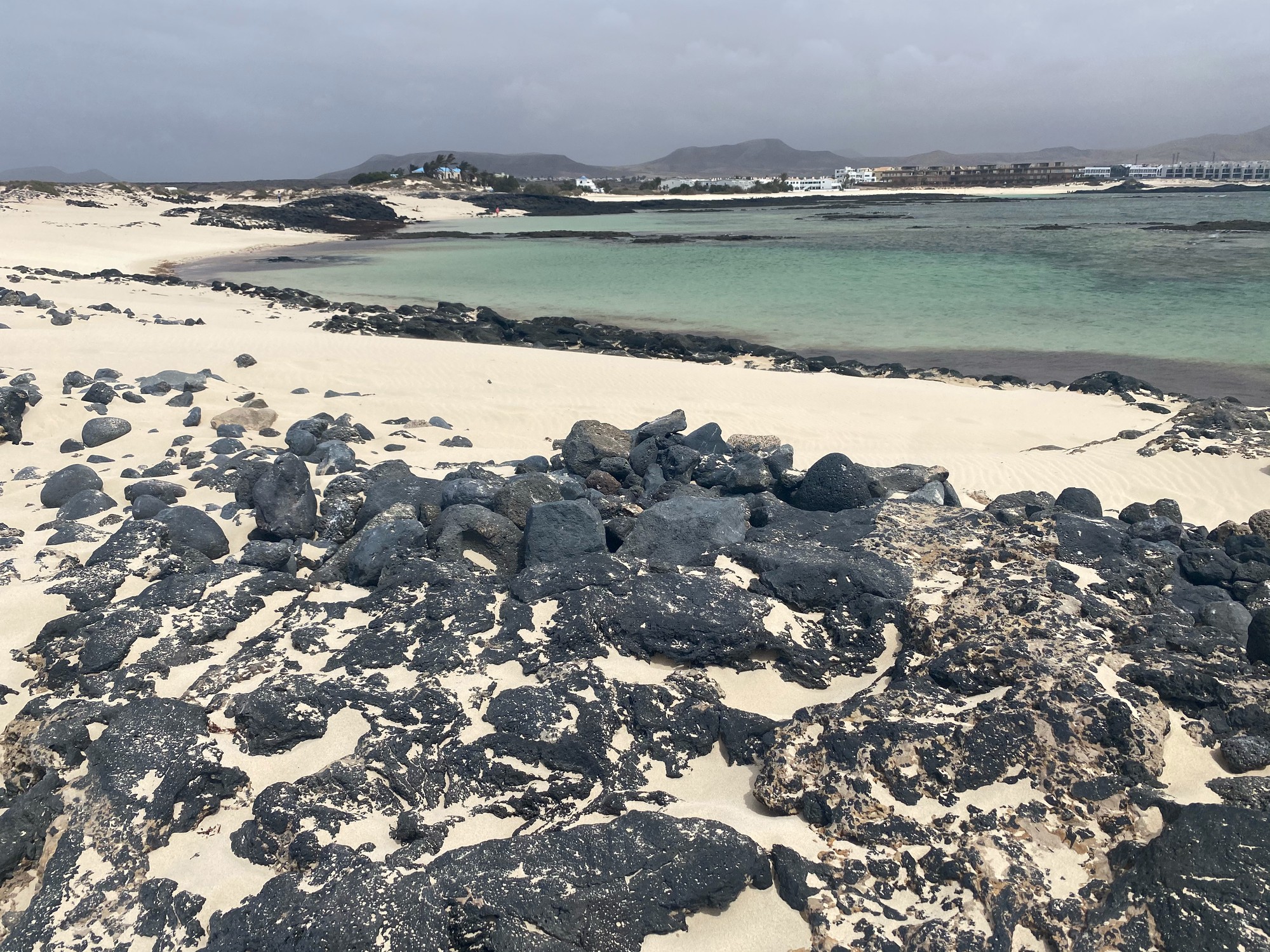
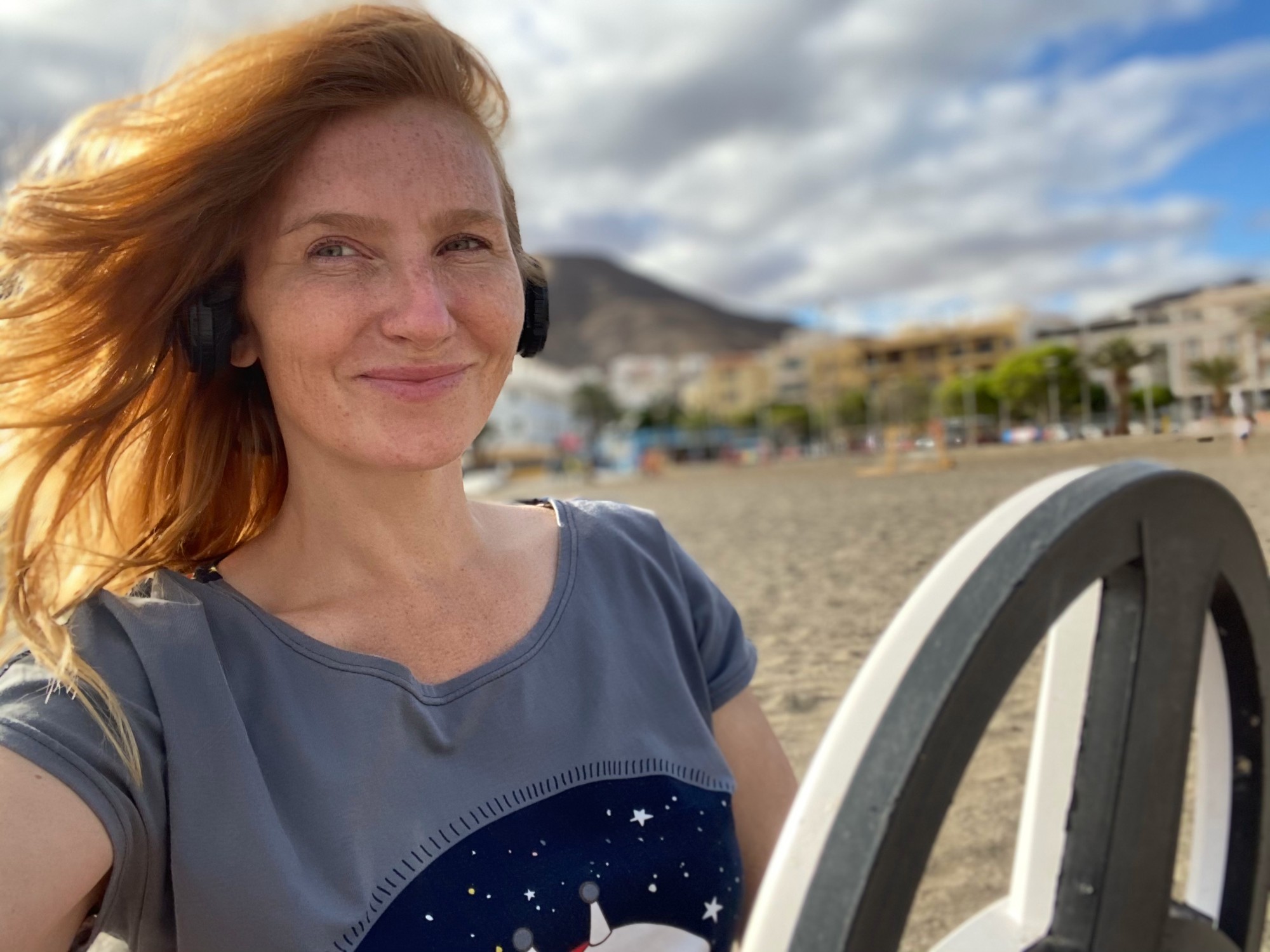
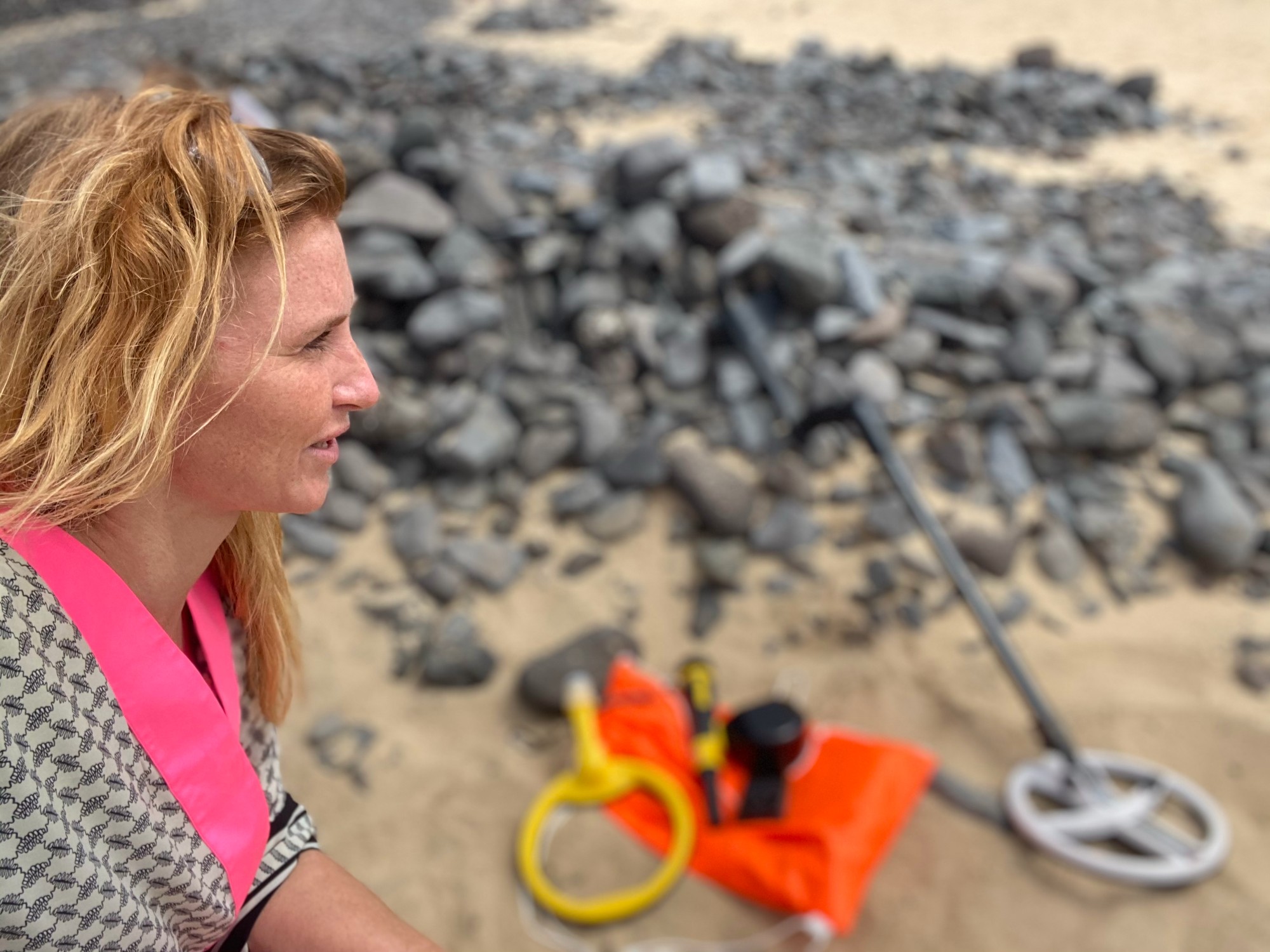
For me, Fuerteventura is one of those places where a seaside holiday and metal detecting go perfectly together. Long beaches, the ocean and sand that could be hiding just about anything. Over roughly the past five years, I’ve searched here with both the XP ORX and the XP Deus II, and most of the time, everything has gone smoothly.
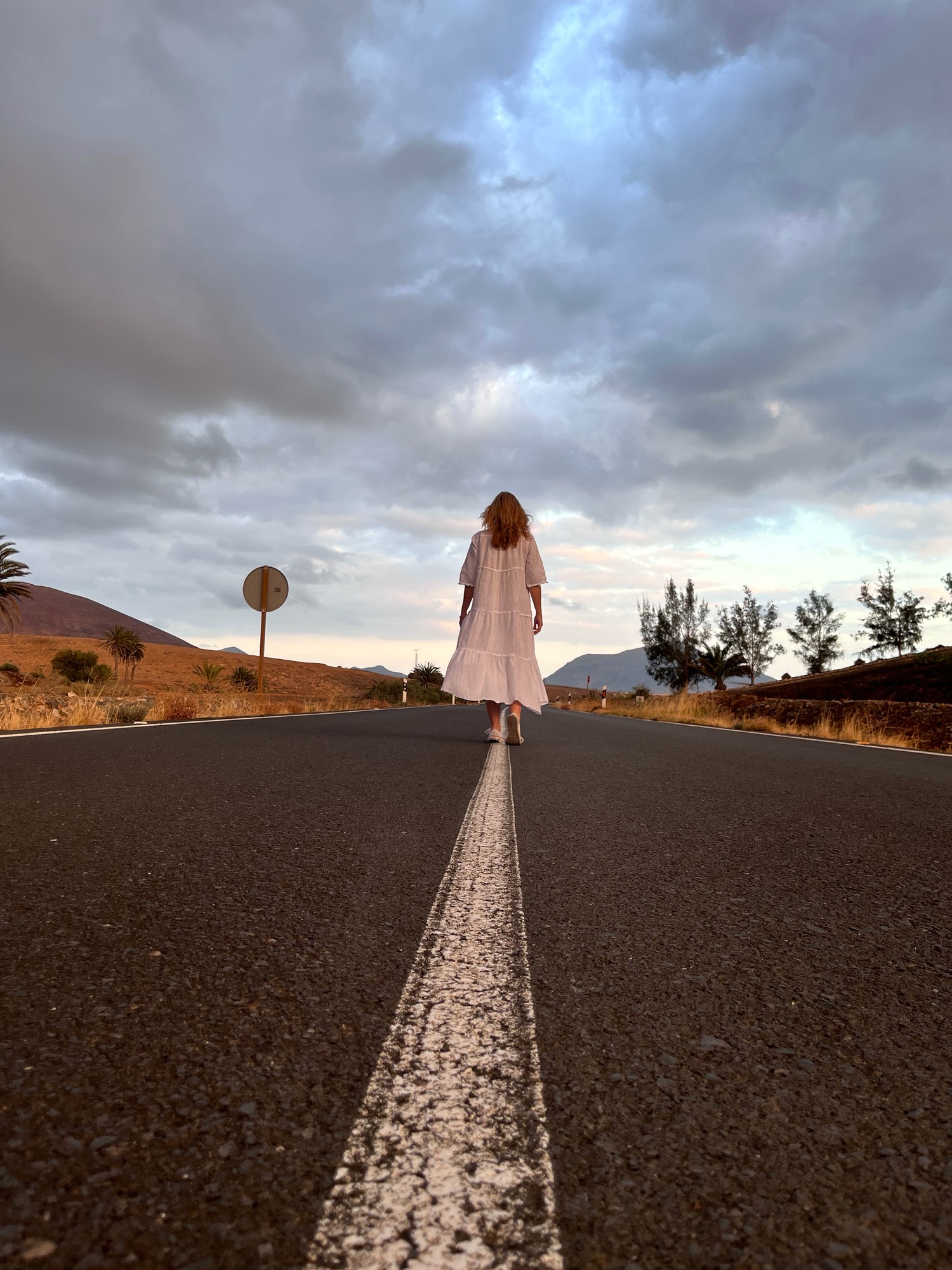
This beautiful island has a very long history. Fuerteventura is the oldest of the main Canary Islands, dating back around 22 million years. It is volcanic in origin, and millions of years of erosion have shaped the landscape we see today. Alongside its beaches, you’ll find rounded hills and striking, arid scenery.
Before Europeans arrived, the island was home to an Indigenous population known as the Majos or Mahos. You can learn about their history at the archaeological museum in Betancuria. Founded in 1404, Betancuria became the island’s first capital. If you fancy a break from detecting, there’s plenty to discover there too.
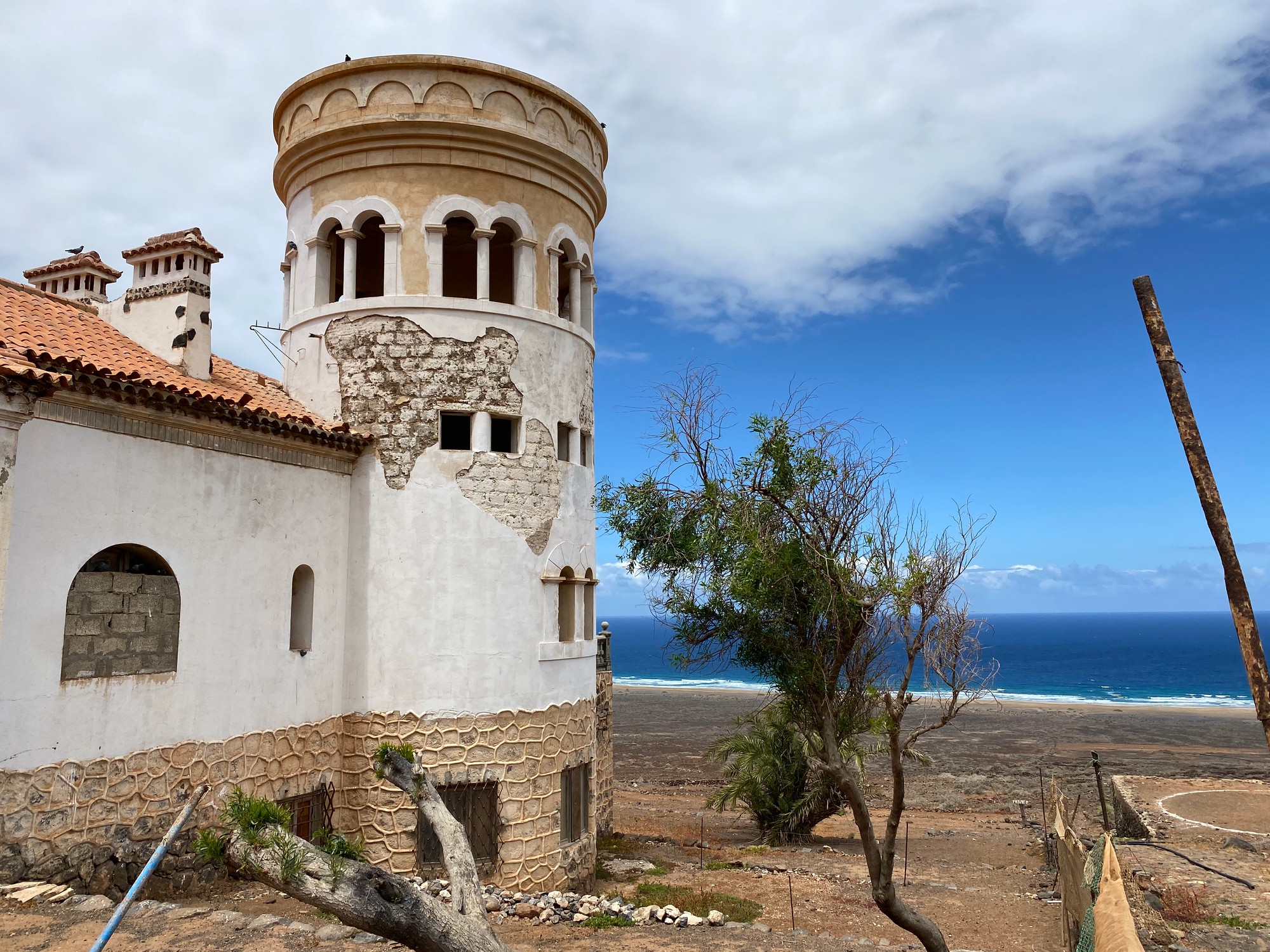
Fuerteventura also has a mysterious side. Above the remote beach of Cofete, on the western coast of the Jandía peninsula, stands Villa Winter. This imposing house is associated with the German engineer Gustav Winter. Stories still circulate about Nazis, secret submarine bases, hidden passages and operating rooms. The house’s setting alone, between the mountains and the wild coastline, gives the imagination plenty to work with. I’ll explore Villa Winter, its history and its legends in a separate article.
I stick to the beaches with my detector. My positive experiences don’t mean that detecting is automatically allowed on every beach on the island, though. Before heading out, check the rules for the particular location, especially in protected areas or near archaeological sites.
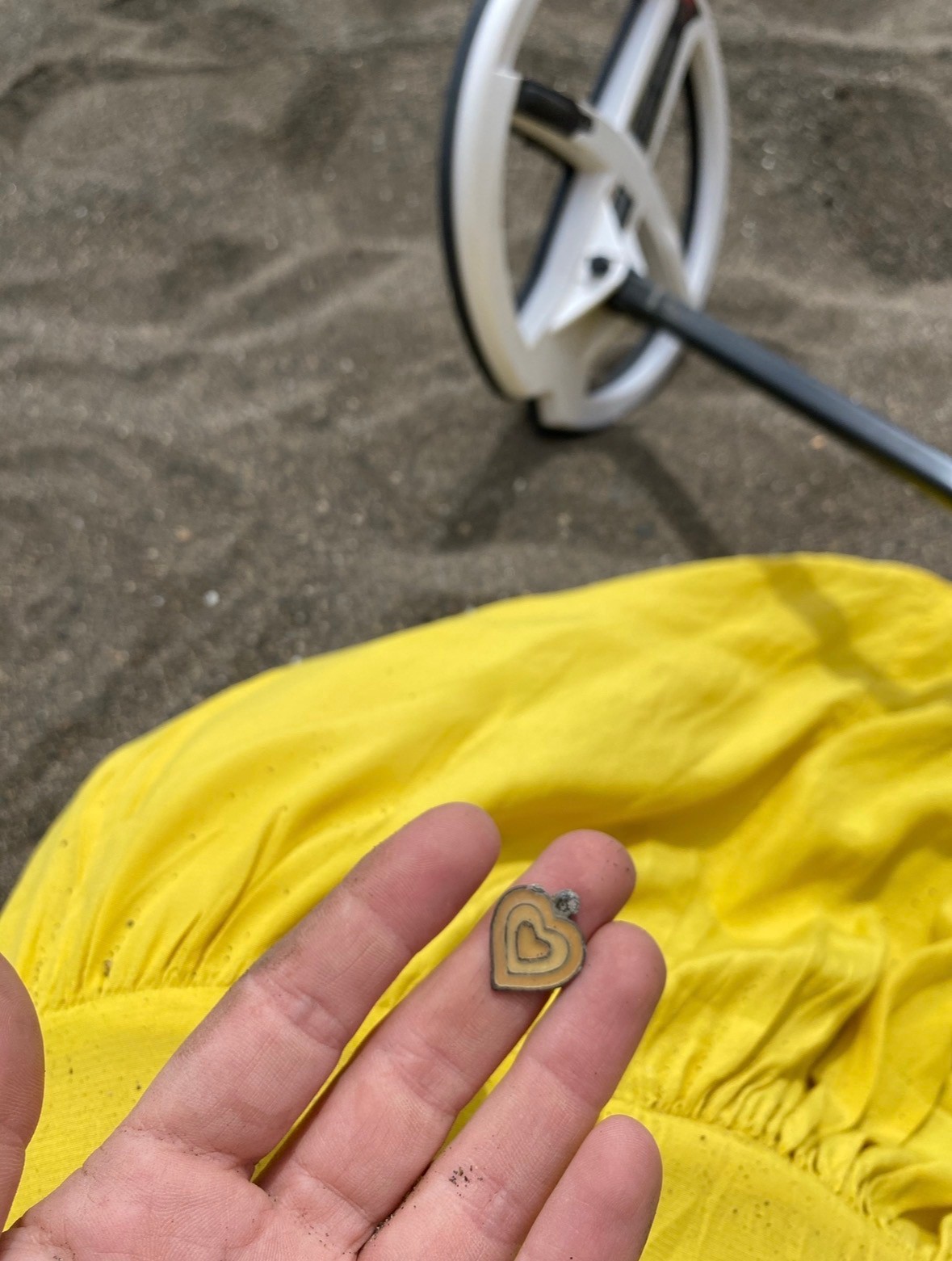
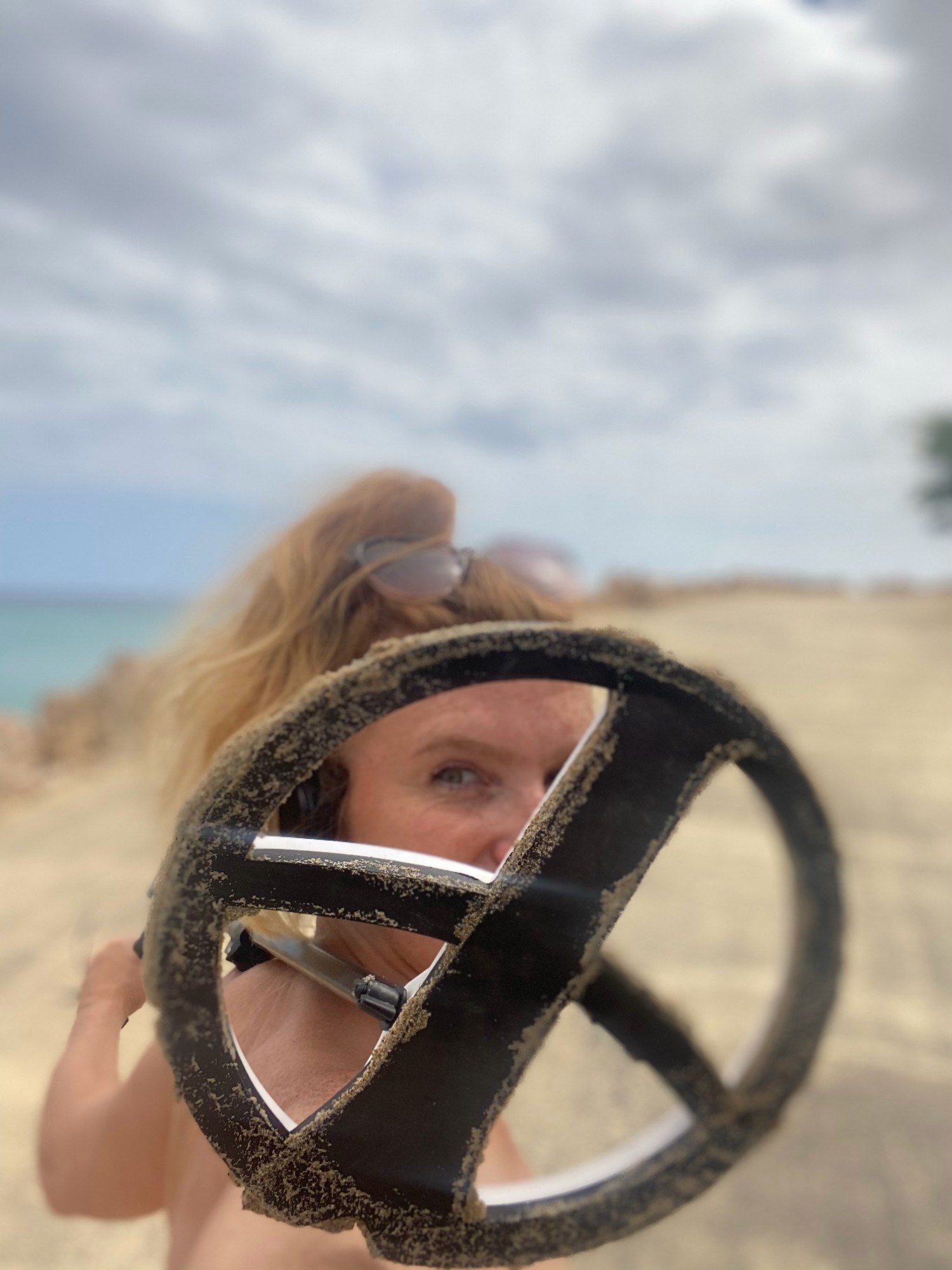
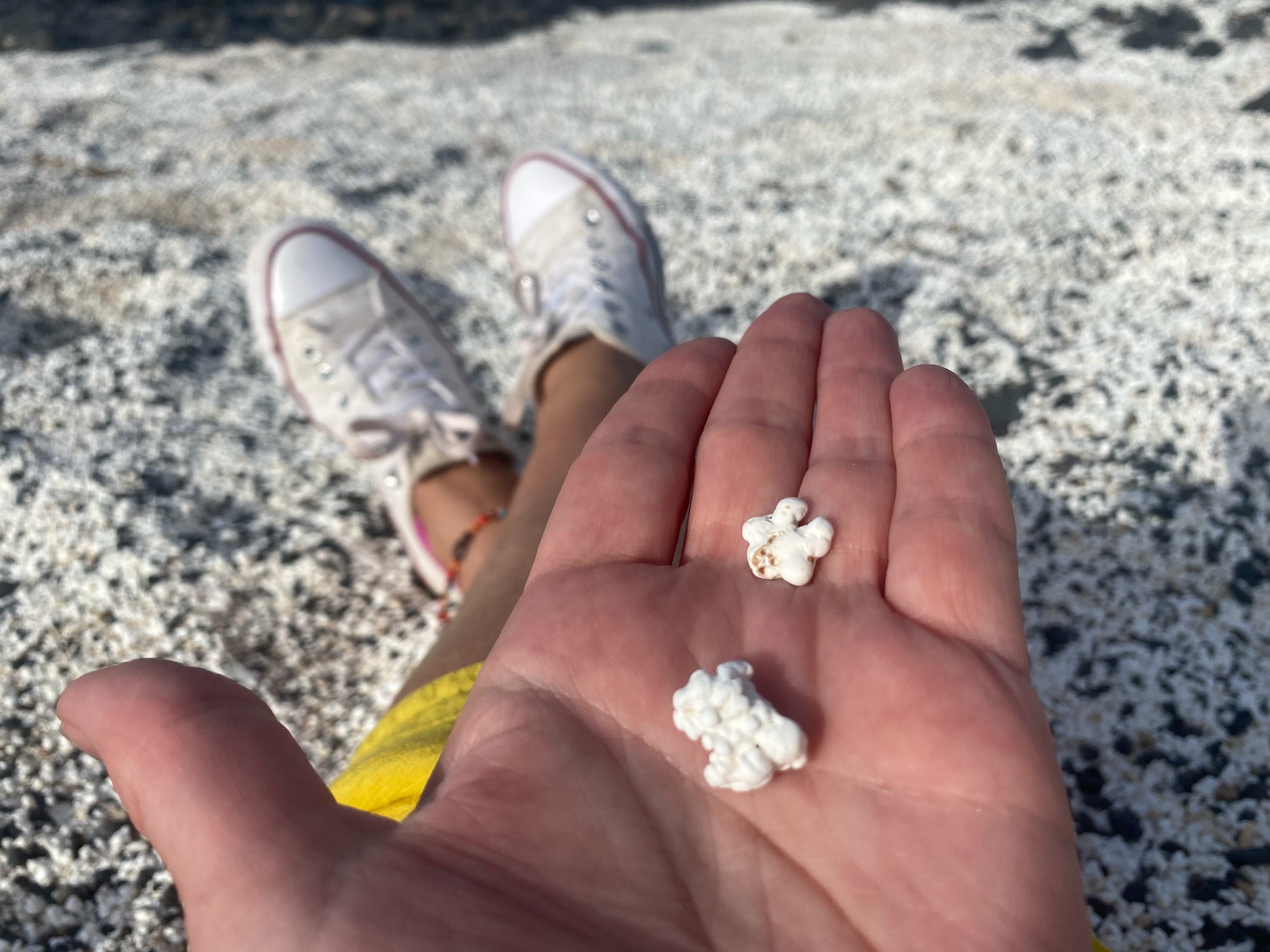

Swipe or scroll for more photos.
Occasionally, I’ve been asked to leave a beach in front of a hotel. They didn’t want anyone detecting there, either in the morning or in the evening. I had my doubts about that, but I left. On the town beaches where I’ve searched, however, I haven’t had any problems. If you’re asked to stop detecting, I recommend staying calm and checking any uncertainties with the local authorities.
Be prepared to spend some time adjusting your detector, too. I’ve had to pay particular attention to getting mine set up properly. The volcanic ground, local mineralisation and, on wet sand, saltwater can make detecting more challenging. Don’t assume that the settings you use in a field back home will work just as well here. Take a little time to adjust them to the beach and how your machine responds.
So, what do I find? Mostly costume jewellery, silver items and, above all, coins. Not just modern euros, but older Spanish coins too. Even an ordinary find can be a reminder of the days when people used a different currency on the island.
But I don’t just take the exciting finds home. I also pick up the rubbish I come across while detecting. Rusty bottle caps, sharp pieces of metal and sometimes broken glass. I like to think I’ve saved a few little feet from a nasty cut along the way. I also get the feeling that people are more welcoming when they see me collecting rubbish. They can see that I’m leaving the beach cleaner than I found it.
Over the years, Fuerteventura has given me plenty of happy hours with my detector. And if I leave with a few coins and a pocketful of rubbish, I count that as a successful outing.
I’ve also shared a few videos from Fuerta on my YouTube channel. Take a look to see what my detecting trips on the island’s beaches were like. They might inspire you to pack your detector for your next holiday too. 😄
Have you tried metal detecting on Fuerteventura? Let me know which beaches you searched and how it went.
Comments
Sign in to join the discussion.